Dissecting the "Philosopher's State": SPs UIN Jakarta Holds Studium Generale and Book Review of the Islamic Republic of Iran
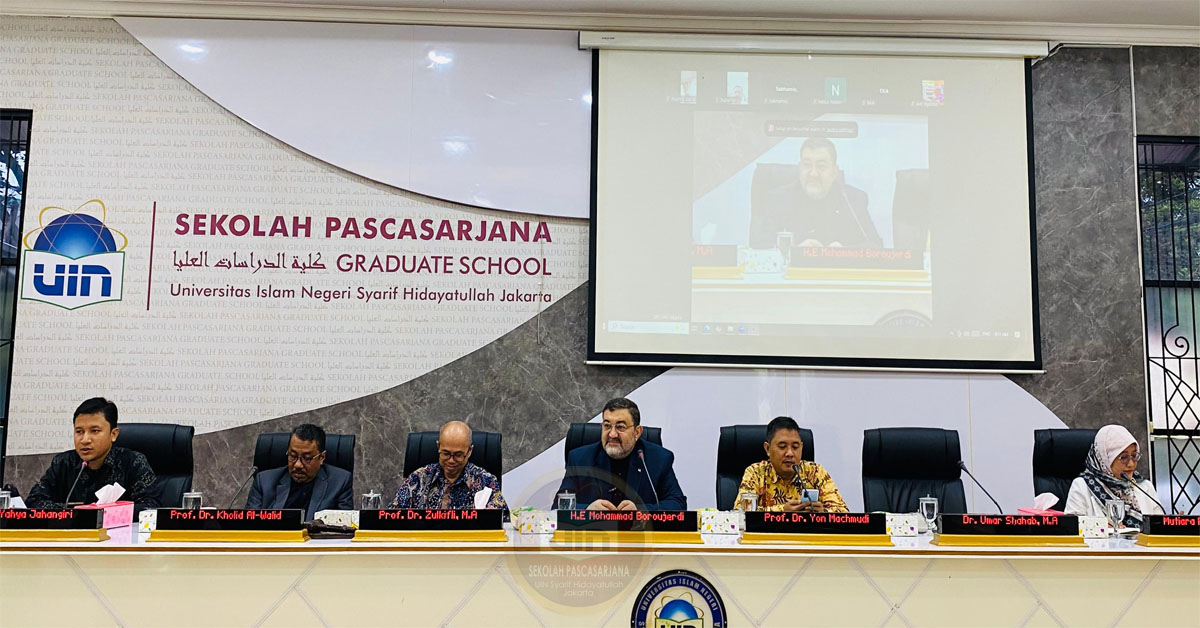
Auditorium of Prof. Dr. Suwito, MA SPs UIN Jakarta, SP NEWS - The Graduate School (SPs) of UIN Syarif Hidayatullah Jakarta held a Studium Generale with the theme "New Map of the Islamic World and the Future of the Middle East" which was coupled with a book review by Prof. Dr. Kholid Al Walid, M.Ag entitled "Islamic Republic of Iran: A Philosophical State and a New Power in a Multipolar World". The event took place at the Auditorium of Prof. Dr. Suwito, MA SPs UIN Jakarta on Tuesday (4/8/2026).
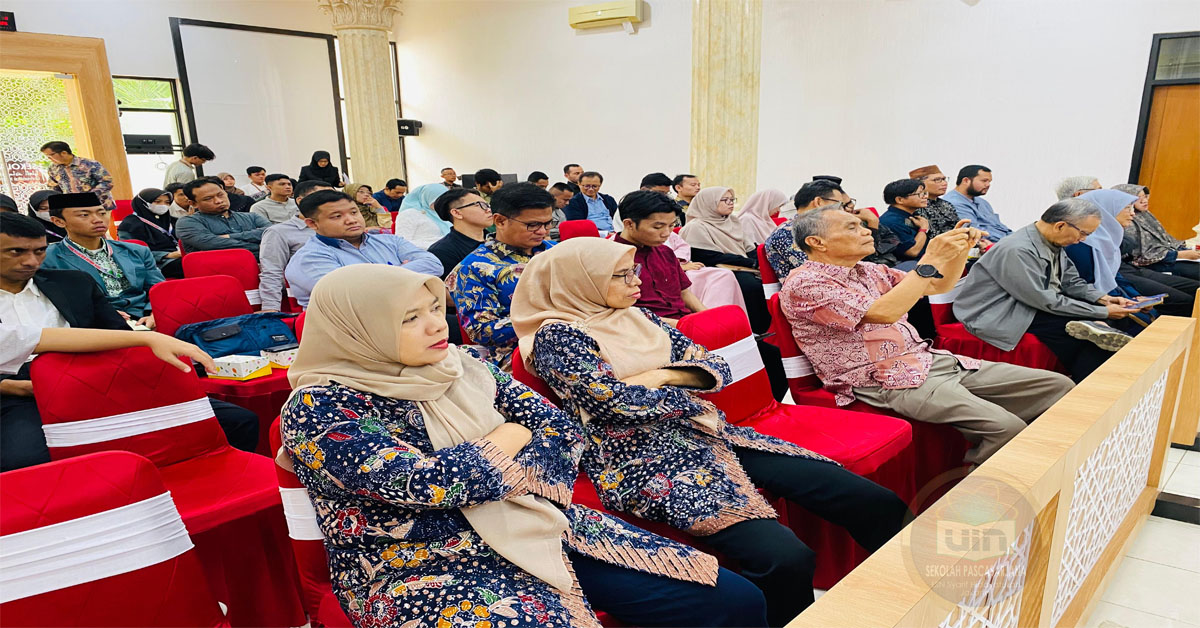
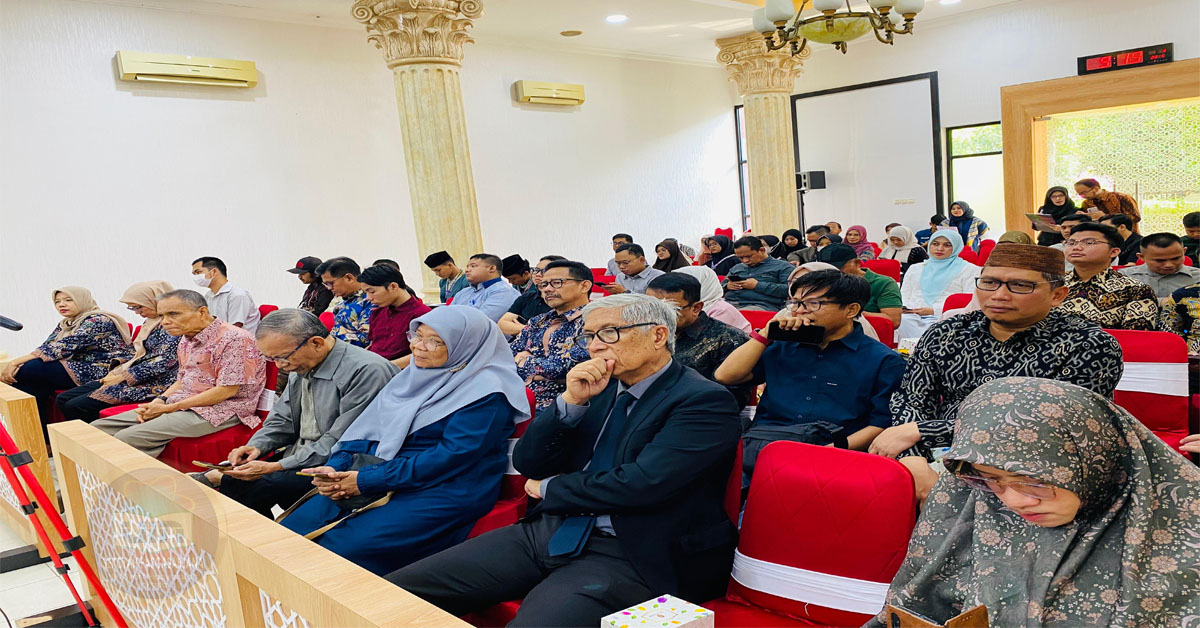
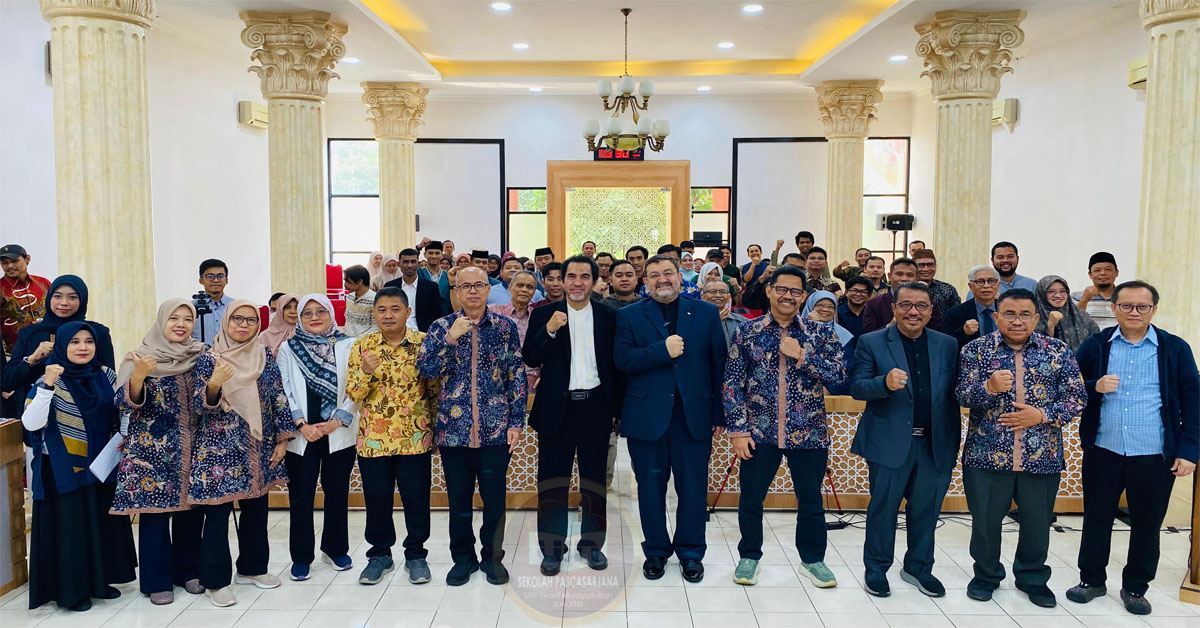
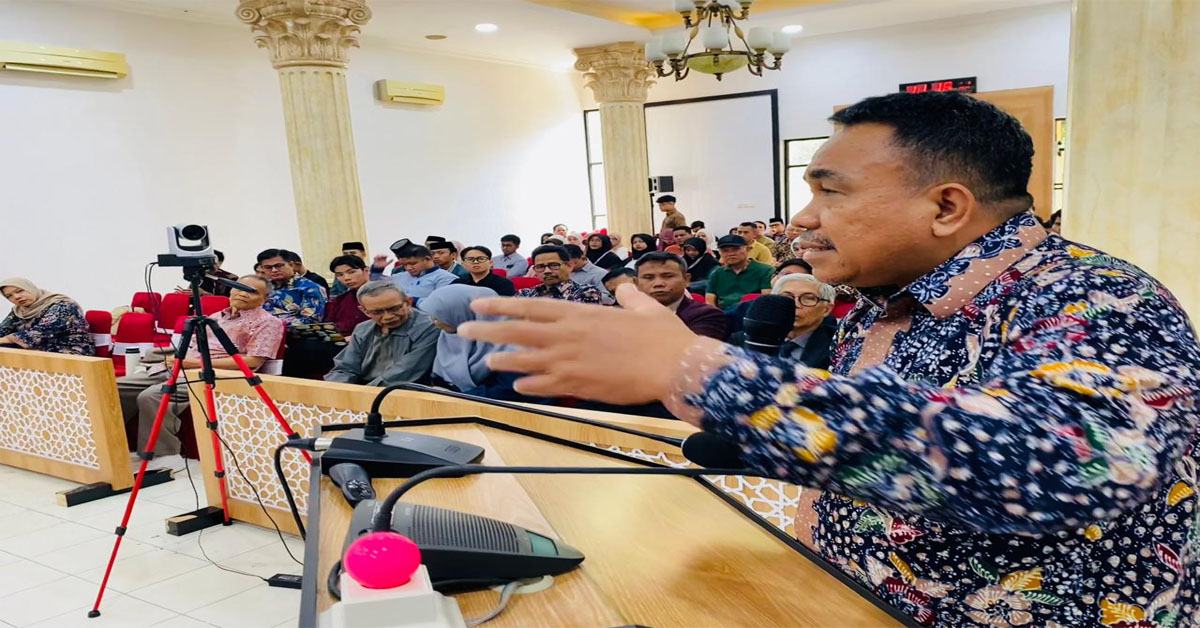
This heated discussion that took place in a hybrid manner dissected in depth the geopolitical map of the Middle East, the tradition of Iranian political philosophy, and the potential intellectual partnership between Indonesia and Iran. Hundreds of participants from academics, students, and observers of global issues seemed to crowd the event room and the Zoom Meeting online portal.
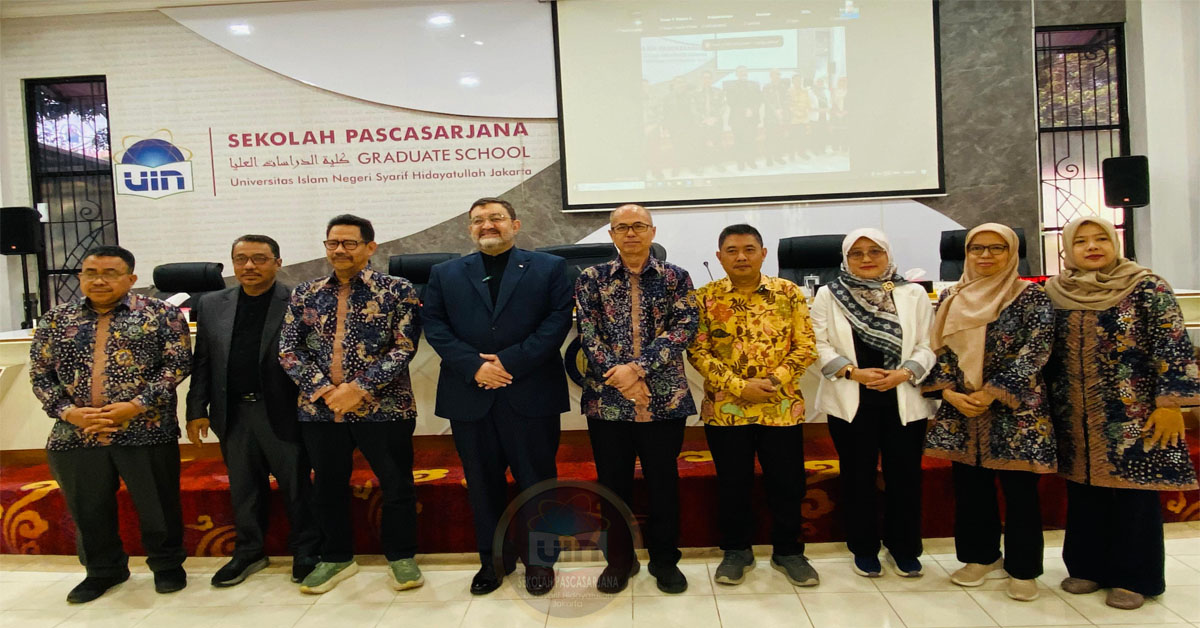
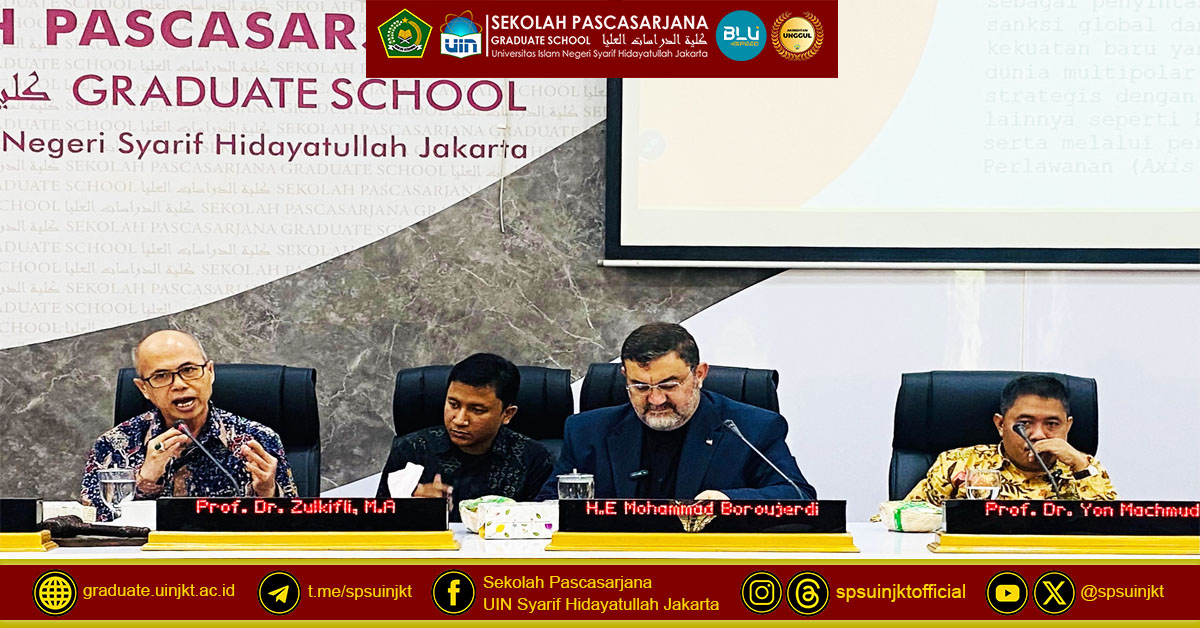
This prestigious academic forum presented speakers, including the Ambassador of the Islamic Republic of Iran to Indonesia, H.H. Dr. Mohammad Boroujerdi, and Professor of History at the University of Indonesia, Prof. Yon Machmudi, Ph.D. Also present were the Director of SPs UIN Jakarta, Prof. Dr. Zulkifli, MA, and STAI Sadra Lecturer, Dr. Umar Shahab, MA, guided by Mutiara Pertiwi, MA, Ph.D. as the moderator.
In his opening presentation, Iranian Ambassador H.H. Dr. Mohammad Boroujerdi outlined the fundamental foundations of his country's tradition of political philosophy. He emphasized that governance in Iran is not designed as a mere tool of power, but must stand on the pillars of justice, wisdom, and people's welfare.
Boroujerdi emphasized that ethics and politics are two things that are intertwined and cannot be separated just like that. According to him, a power that is exercised without justice and a sense of responsibility will certainly lose its moral legitimacy in the eyes of the public.
Furthermore, he mentioned the legacy of thought from well-known philosophers such as Al-Farabi, Ibn Sina, Khaja Nasiruddin Tusi, to Mullah Sadra who consistently placed morality as the foundation of leadership. These noble values are considered to be very aligned with the pillars of Pancasila in Indonesia, so that they become strong social capital to strengthen intellectual exchanges between the two countries.
The public lecture session was then opened by Prof. Yon Machmudi, Ph.D. who gave a review of Prof. Kholid's book. The UI professor considers the book to be very crucial and worthy of being a mandatory reading for anyone who wants to understand the internal and foreign dynamics of the Islamic Republic of Iran objectively and thoroughly.
Prof. Yon also underlined that peace and stability in the Middle East region can only be achieved if the international community acts fairly. The main key lies in the enforcement of true justice and the elimination of global political policies that are loaded with double standards.
Meanwhile, the author of the book, Prof. Dr. Kholid Al Walid, M.Ag, explained the main pillars of Iran's robustness on the multipolar stage. The strength of the state is built on the pillars of martyrdom (shahadah), optimism waiting for justice (intizar), and the leadership of scholars who combine religious knowledge, state intelligence, and moral nobility.
Prof. Kholid uniquely described Iran as a country with two central hearts. According to him, Tehran plays a role as the center of government or the outer capital (zahir), while Qom functions as a center of spirituality, religious traditions, and the development of Islamic philosophy which is the inner capital (batin).
Responding to the content of the book, the Director of SPs UIN Jakarta, Prof. Dr. Zulkifli, MA, expressed his appreciation because this work was able to present a fresh new perspective. One of his most prominent ideas is the importance of marrying traditional Islamic education (hawzah) with a modern research-based university system.
Prof. Zulkifli added that the term axis of resistance reviewed in the book is actually the axis of civilization which was born from the long history of Iranian scientific tradition. This book proves the thesis that Iran is a "Philosopher's Country", a modern country led by the fukahas with a strong foundation of rationality and theology.
Completing the review, Dr. Umar Shahab, MA, examined the leadership side in the constitution of the Islamic Republic of Iran. He explained that a leader from the fukaha is not only required to have qualified intellectual capacity, but also high moral exemplary, courage, and justice.
Umar explained that if the imams are required to have the nature of maksum (preserved from sin), then the fukahas are obliged to have a just nature. The essence of this concept is to ensure that the figure of the leader is a pious person, with noble morals, and fully committed to the constitution for the benefit of the people.
This series of events ended with a discussion and question and answer session that took place very dynamically. The participants took advantage of the opportunity in an interactive manner to have a direct dialogue with the speakers, as well as deepen their understanding of the Middle East geopolitical constellation and the prospects for academic cooperation between Indonesia and Iran in the future. (Jay A)