
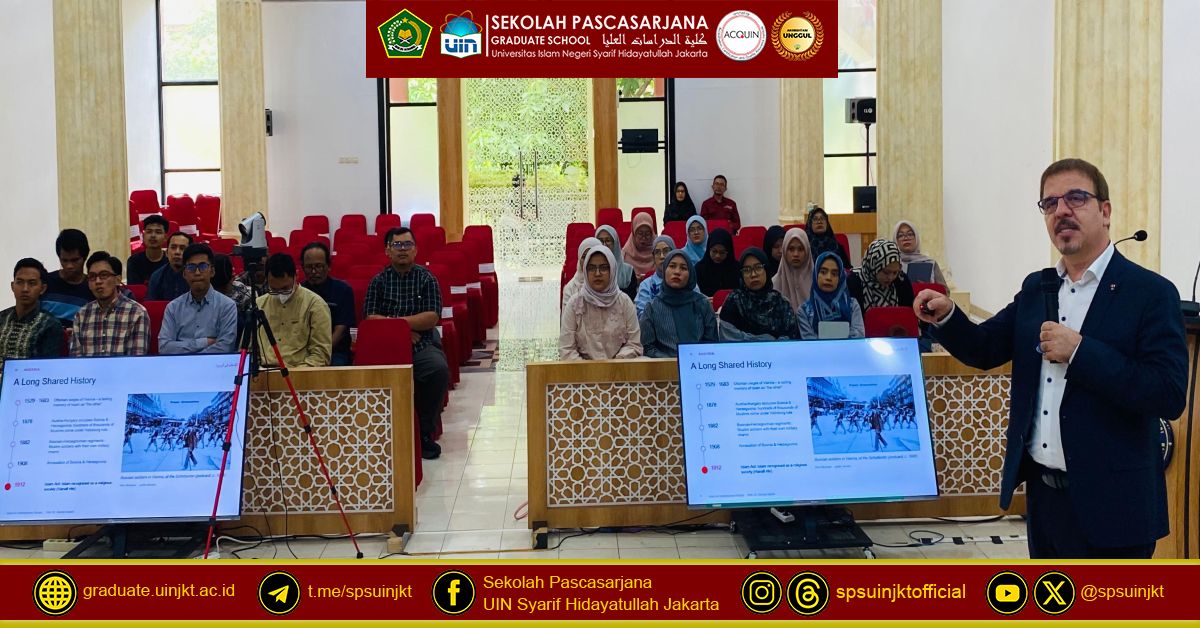
Prof. Zekirija Sejdini: Thesis and Dissertation Proposals Do Not Need to Change the World, Just Answer Research Questions Accurately
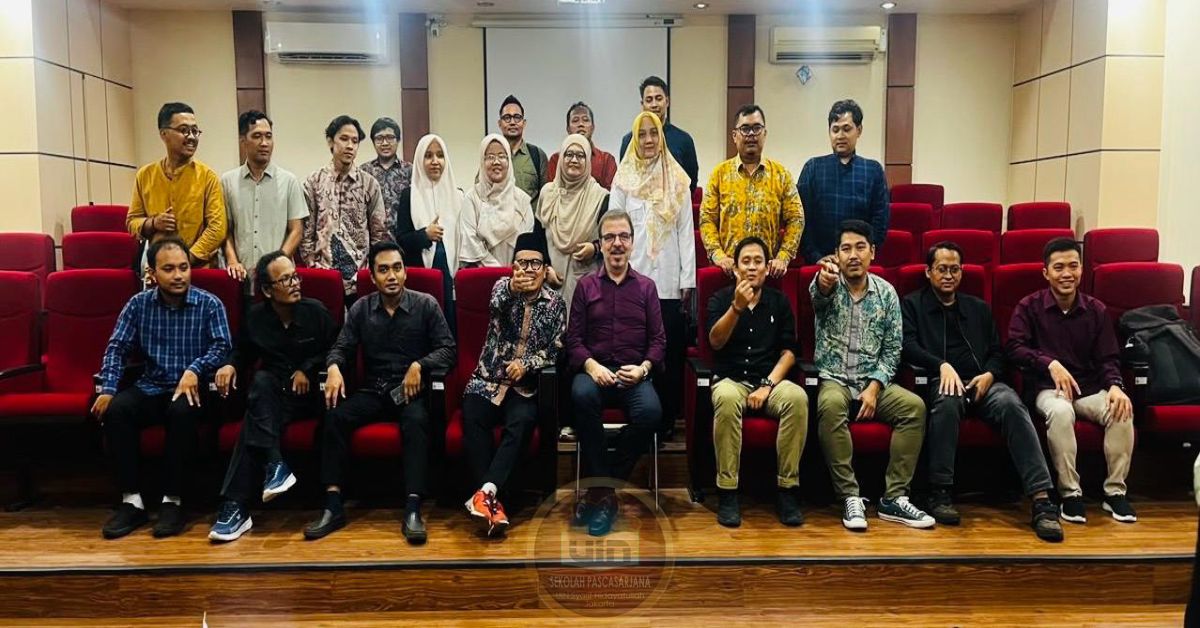
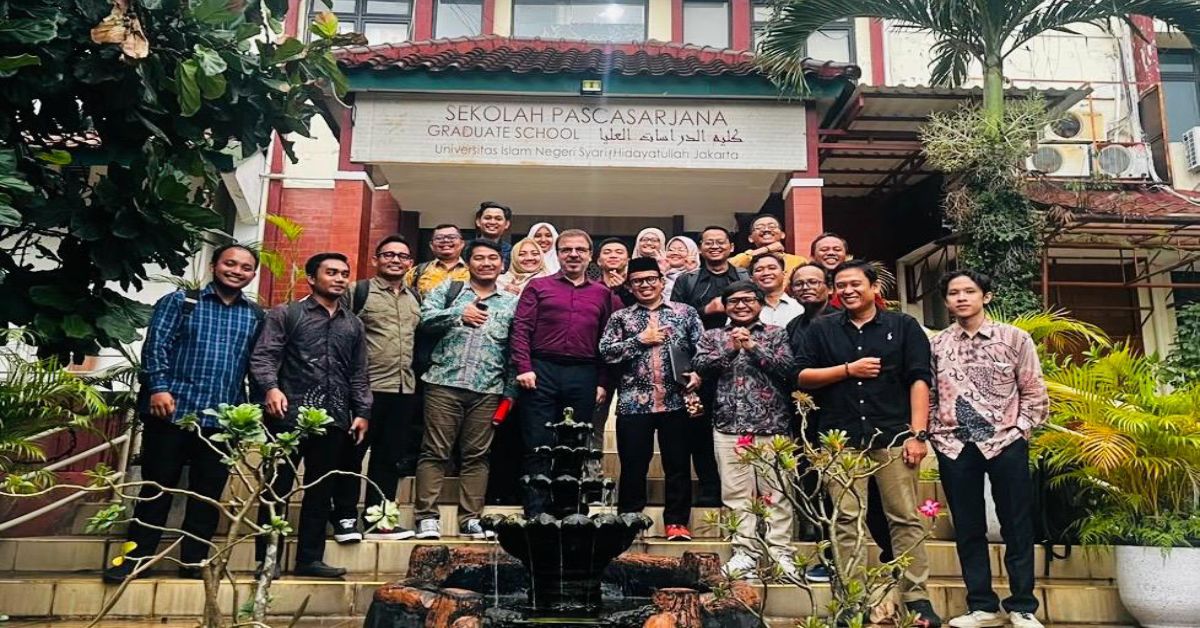
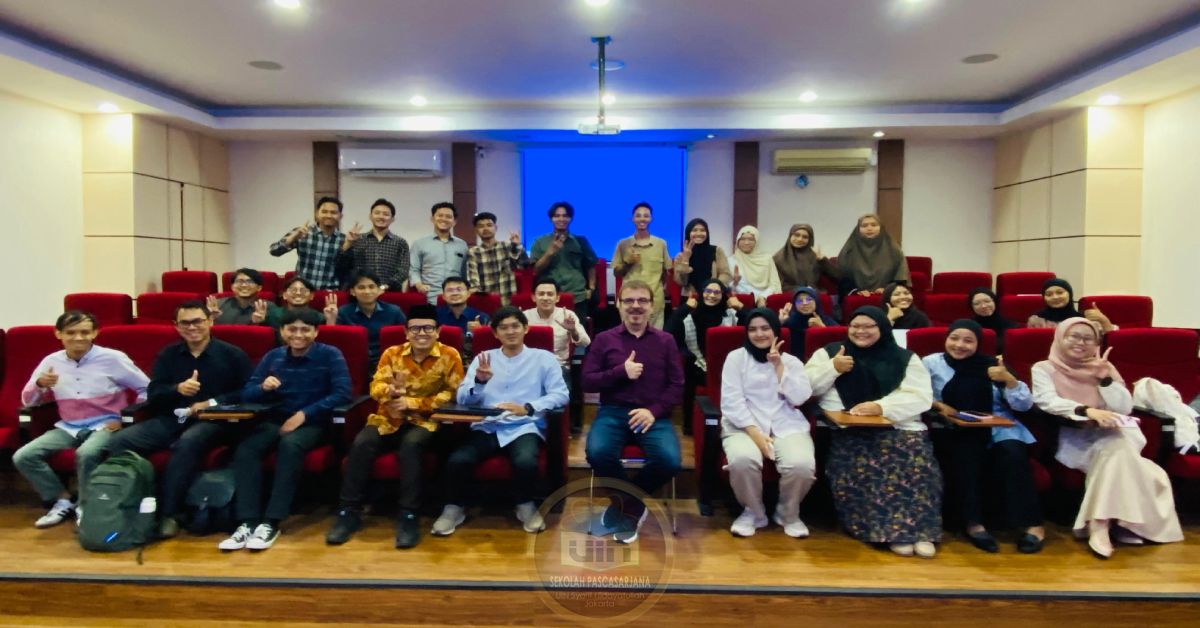
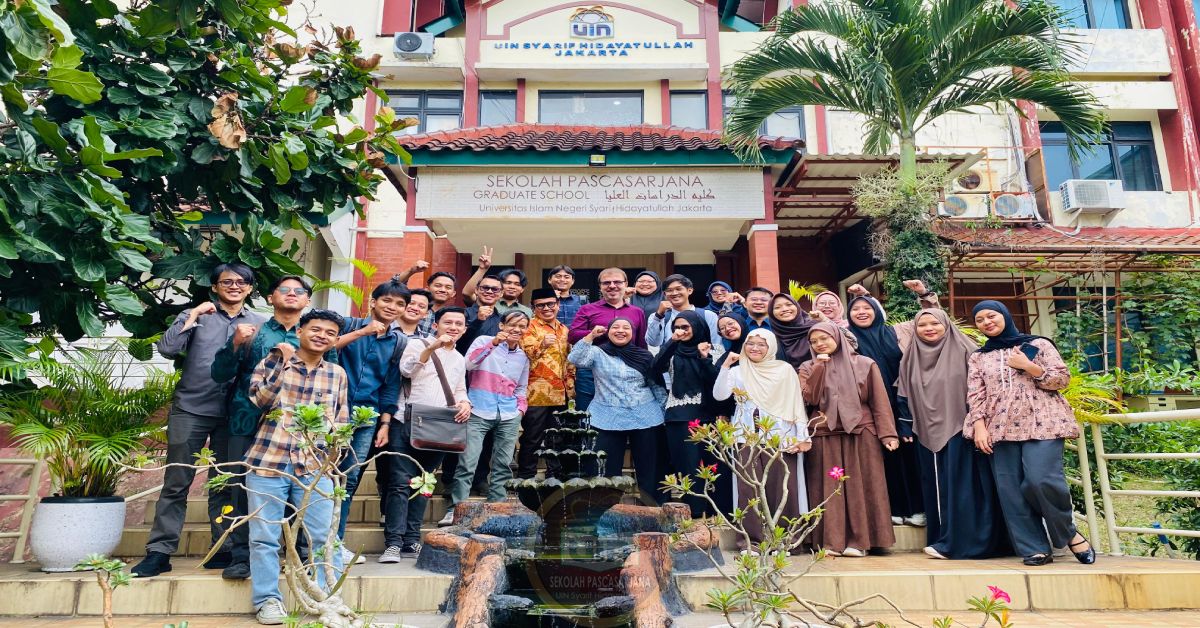
SPs UIN Jakarta Building, SPs NEWS - The Graduate School (SPs) of UIN Syarif Hidayatullah Jakarta once again strengthens its international academic atmosphere by inviting an adjunct professor, Prof. Dr. Zekirija Sejdini. Professor of Islam in Contemporary Society and Head of the Department of Islamic Theology Studies from the University of Vienna, Austria, is scheduled to attend a packed week-long series at SPs UIN Jakarta, Monday-Friday, November 23-27, 2026. The entire course of this scientific forum was interactively guided by the Head of the Master of Islamic Studies Study Program at SPs UIN Jakarta, Hamdani, M.Ag, Ph.D.
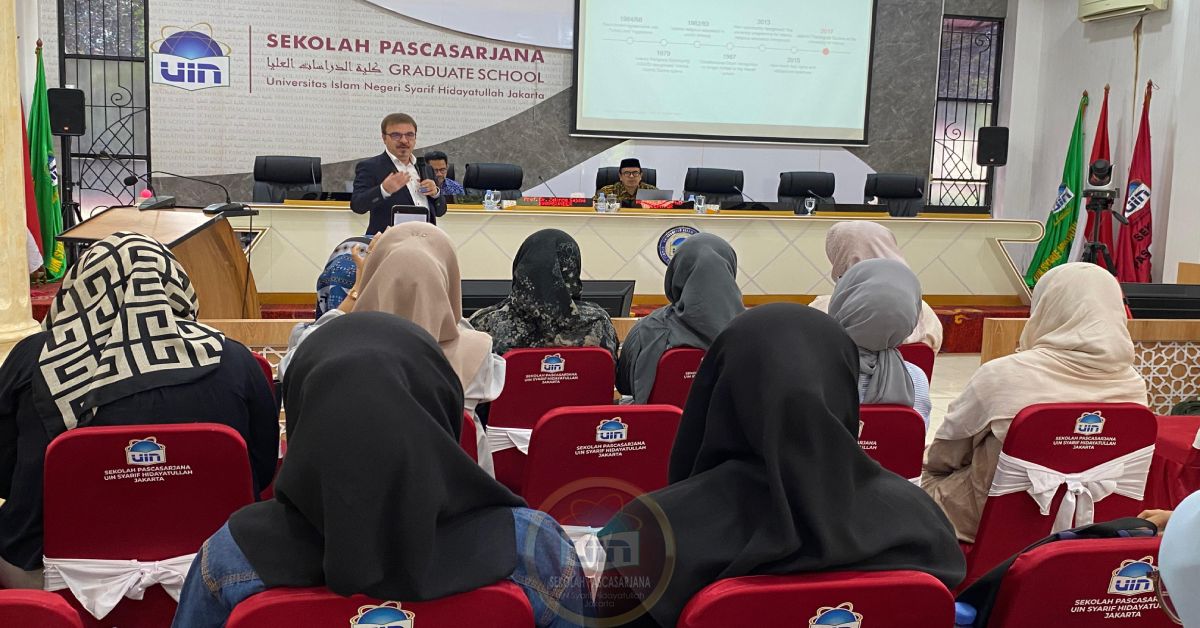
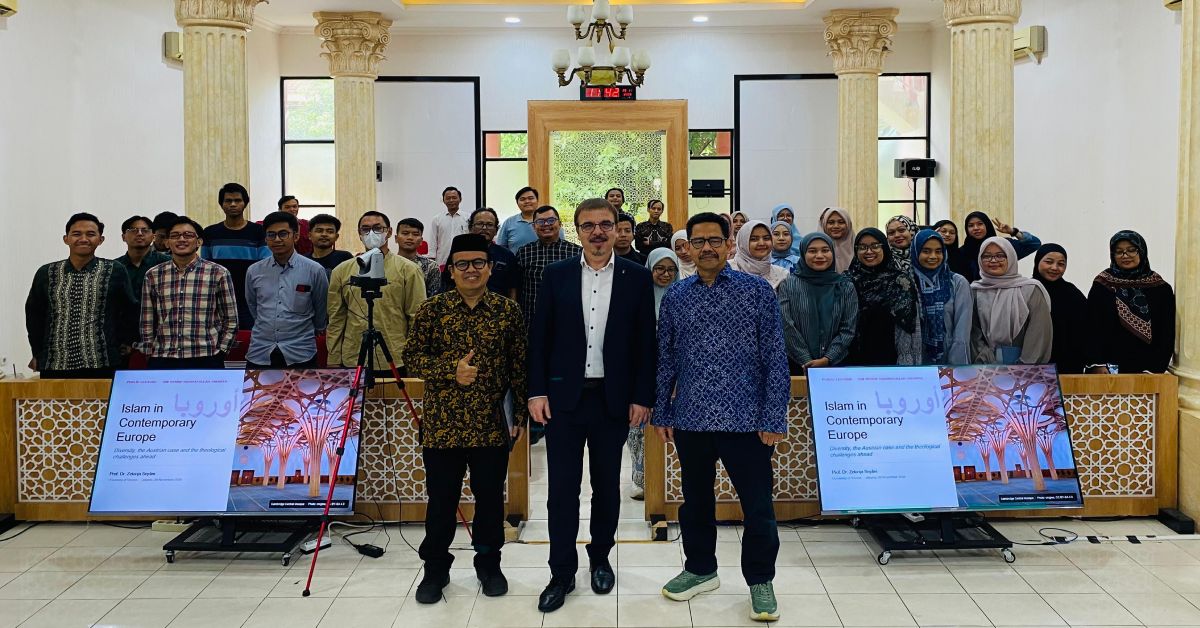
During his week-long visit, Prof. Zekirija has prepared various strategic agendas together with the academic community of SPs UIN Jakarta. These activities include teaching in the M.A. Research Methodology and Ph.D. Research Methodology classes, discussion sessions with lecturers to explore research collaboration and scientific publications, and serving as the main speaker in a public lecture titled Islam in Contemporary Europe.
In the research methodology lecture session, Prof. Zekirija highlighted the classic problem that often haunts master's and doctoral students when preparing research proposals. According to him, proposal preparation often becomes a frightening nightmare due to students' excessively high expectations to immediately produce revolutionary-scale findings. In fact, the main essence of a research proposal is to design a scientific argument that is structured, logical, and practical to answer the problem formulation in a measured way.
He explained that a solid thesis or dissertation proposal essentially relies on four main interconnected components, namely research questions, theory, methods, and data. These four fundamental elements must run in harmony with the scientific inquiry blueprint, which starts from observation, problem formulation, hypothesis formulation, testing, data analysis, and drawing valid conclusions.
 |
 |
 |
 |
Furthermore, a sharp understanding of the limitations of the problem is a very crucial aspect in designing research. Prof. Zekirija encouraged students to be keen in finding research gaps that can be analyzed in depth, without getting trapped in a discussion that is too broad. An effective research question should ideally be formulated concisely in one concise sentence, so it can function as a compass guiding the flow of writing and analysis from beginning to end.
From the technical side of academic writing, he shared practical tips on preparing the introduction section and methodology. The introduction section basically functions to show how data is compiled to support the urgency of the research, and interestingly, the best introductions are often written after the entire manuscript draft is completed. Meanwhile, methodology plays the most vital role as the main path or working instrument to execute and answer research questions.
Specifically in the fields of Islamic studies and humanities, Prof. Zekirija reminded students not to merely quote or accept the views of scholars or previous thinkers in a raw manner. The ability to be critical and analytical towards existing intellectual heritage is non-negotiable. Students are required to be able to present novelty or fresh perspectives that are sharper compared to previous research, because that is the added value that determines the quality of a scientific work.
Besides independent literature strengthening, active and intensive communication with the supervising lecturer is also the main key to smooth study. Students need to regularly discuss and dissect the progress of their research projects, not just focus on reading piles of books alone. In principle, supervising lecturers do not require students to produce extraordinarily revolutionary theses or dissertations, but rather want to ensure that students truly master and are able to carry out their research independently.
 |
 |
 |
 |
In the process of working on it, he advised students to firmly uphold the principle of working honestly, carefully, and early. Regarding current technological developments, the use of artificial intelligence (AI) is allowed only as a research support tool, not to replace the main role of students in thinking and writing. Students are also encouraged to dare to start pouring ideas into drafts even if they are not yet perfect, rather than keep postponing in pursuit of false perfection.
In the end, Prof. Zekirija emphasized that the conclusion section must answer research questions analytically, not merely summarize descriptively by highlighting the author's arguments. He also closed the lecture session with a reassuring message for graduate students, that the benchmark for the best thesis or dissertation is not a work that must change the world, but research that can answer research questions thoroughly and be completed on time.
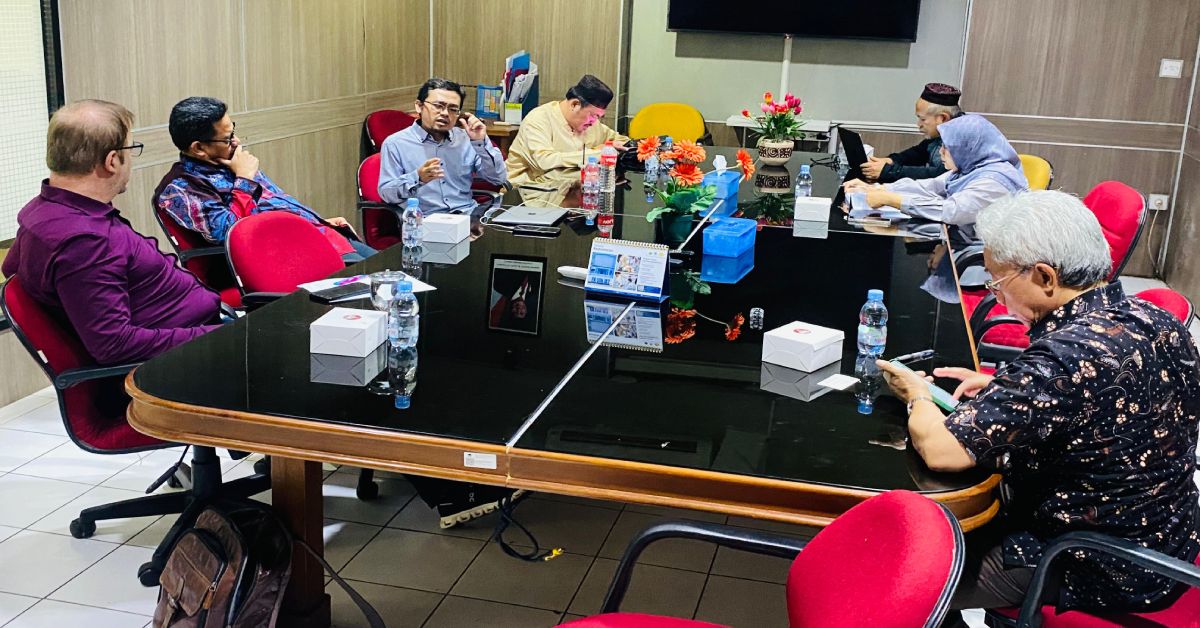
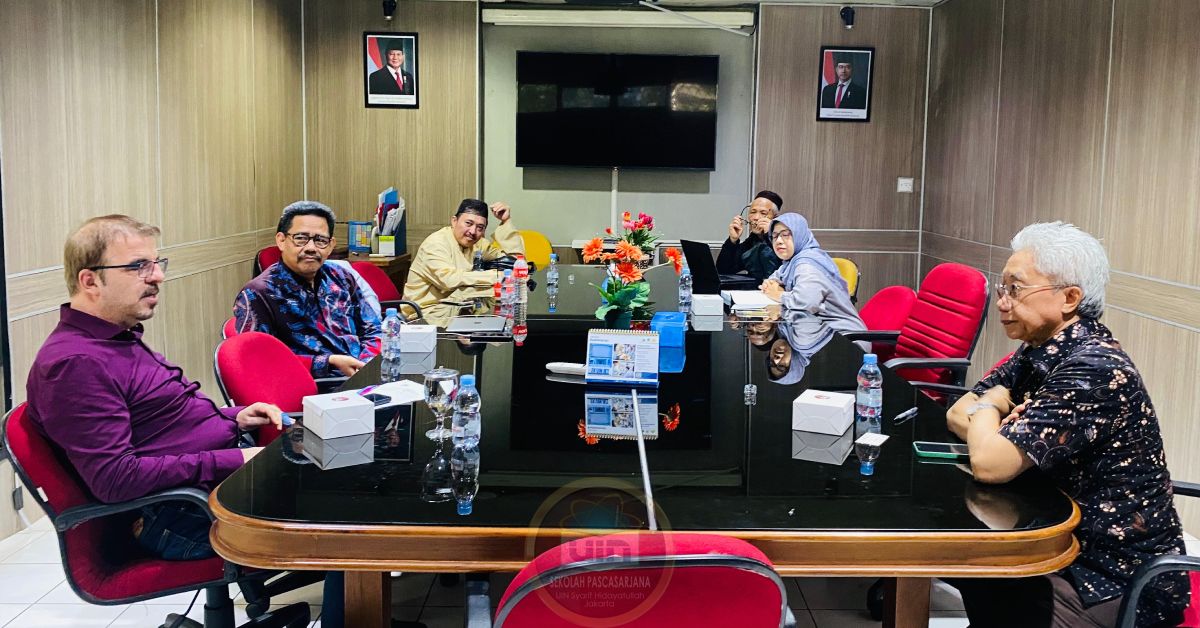
Outside the classroom, Prof. Zekirija's agenda continued through a warm discussion forum with the lecturers of the UIN Jakarta Graduate School. This meeting was designed as a concrete step to map opportunities for cross-border research collaboration as well as to co-authorize scientific publications in internationally reputable journals. The series of visits was then complemented by a Public Lecture titled Islam in Contemporary Europe, which thoroughly and balanced dissected the realities of life, dynamics, and challenges faced by Muslims in the Blue Continent.
The presence of Prof. Dr. Zekirija Sejdini during this week-long stay in Ciputat is expected to have a significant impact on strengthening the academic culture within the SPs UIN Jakarta environment. Through the transfer of methodological insights and the international research network built, the academic community of SPs UIN Jakarta is increasingly encouraged to produce quality, critical scientific works that are relevant to global societal developments. (Jay A)