
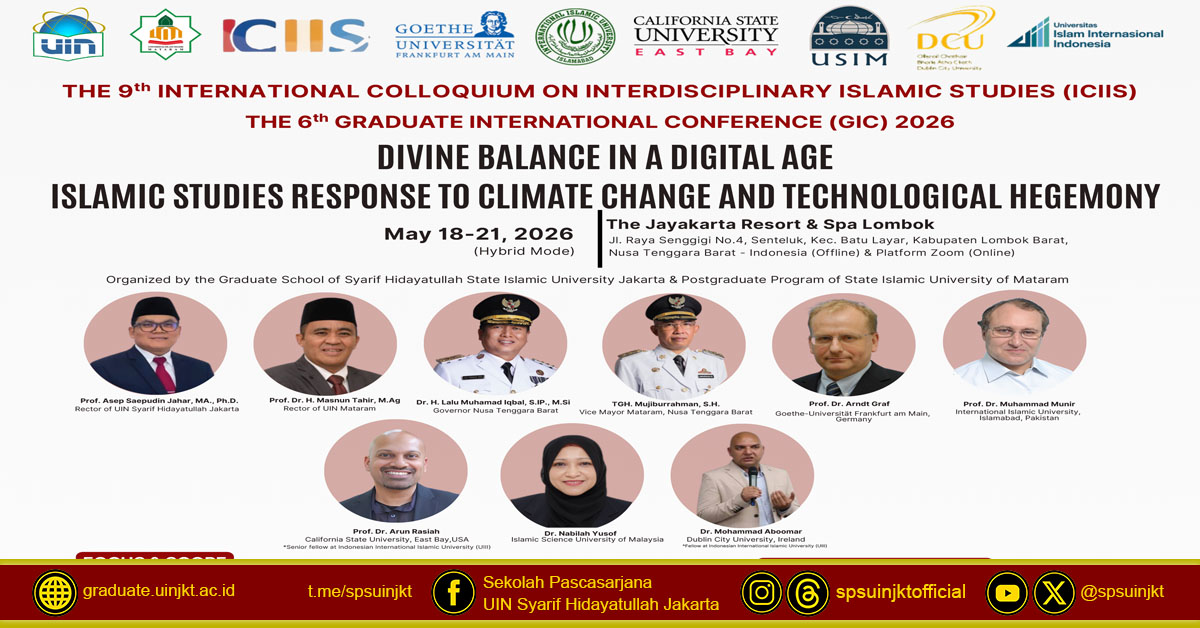
SPs UIN Jakarta and Postgraduate UIN Mataram Hold International Conference on Divine Balance in the Digital Era
LOMBOK – The Graduate School of UIN Syarif Hidayatullah Jakarta in collaboration with UIN Mataram held an annual grand event: The 9th International Colloquium on Interdisciplinary Islamic Studies (ICIIS) 2026. This forum became the epicenter of global intellectual discussion that brought together hundreds of academics across countries.
Located at the Jayakarta Hotel, Mataram-Lombok, this international conference is scheduled to last for four days, starting from Monday to Thursday, May 18-21, 2026. The thick academic atmosphere was immediately felt from day one, combining local charm with cosmopolitan ideas.
This year, the 9th ICIIS carries a very crucial and relevant theme to contemporary reality, namely "Divine Balance in a Digital Age: Islamic Studies Response to Climate Change and Technological Hegemony". This theme was deliberately raised to highlight the urgent need of humanity in overcoming the increasingly worrying environmental crisis. At the same time, the world is also dealing with a rapid technological transformation, which requires ethical and spiritual guidance.
Through this theme, Islamic thinkers are challenged to re-explore the roots of Islamic tradition in order to maintain ethical and spiritual balance in the midst of modern disruption. Islam must not stutter in the face of the reality of artificial intelligence or global warming. On the contrary, prophetic values must be the moral compass for today's digital civilization.
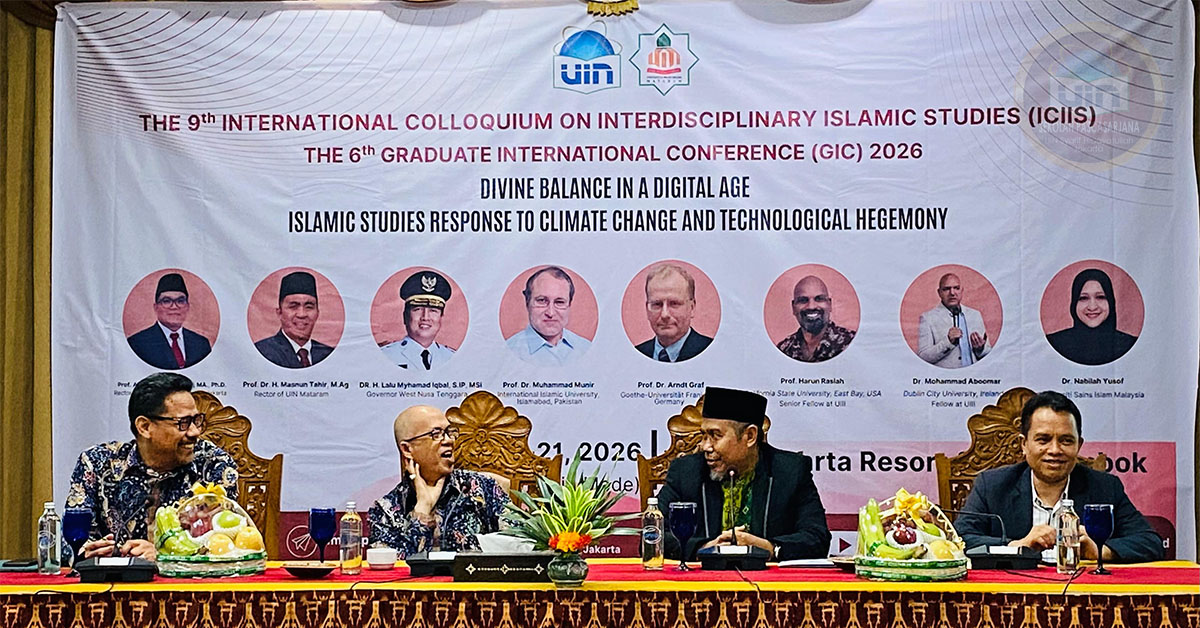
The excitement of the conference has peaked since the first day through a hybrid designed Parallel Session. The academic warmth continued in Plenary Session 1 which opened with an opening speech from the Director of the Graduate School of UIN Jakarta, Prof. Dr. Zulkifli, MA. In his remarks, Prof. Zulkifli gave high appreciation to all ranks of the ICIIS and GIC 2026 committees who have worked hard to realize this forum.
Furthermore, Prof. Zulkifli emphasized his hope that Islamic studies today will no longer be trapped in spaces that are purely normative and textual. He encouraged a repositioning so that Islamic studies appear more transformative. This means that the results of religious thought must be able to present real solutions for the sustainability of civilization and support sustainable global development.
This first plenary session presented international speakers, one of which was Prof. Dr. Arndt Graf from Goethe-Universität Frankfurt am Main, Germany. This discussion was guided by the moderator Prof. Arif Zamhari, M.Ag, Ph.D.
In his presentation, Prof. Dr. Arndt Graf thoroughly explored the dynamics of contemporary Islamic studies from the perspective of a global perspective. He highlighted how the triangular relationship between religion, democracy, and digital society influenced each other and shaped new social realities in Europe and the Islamic world.
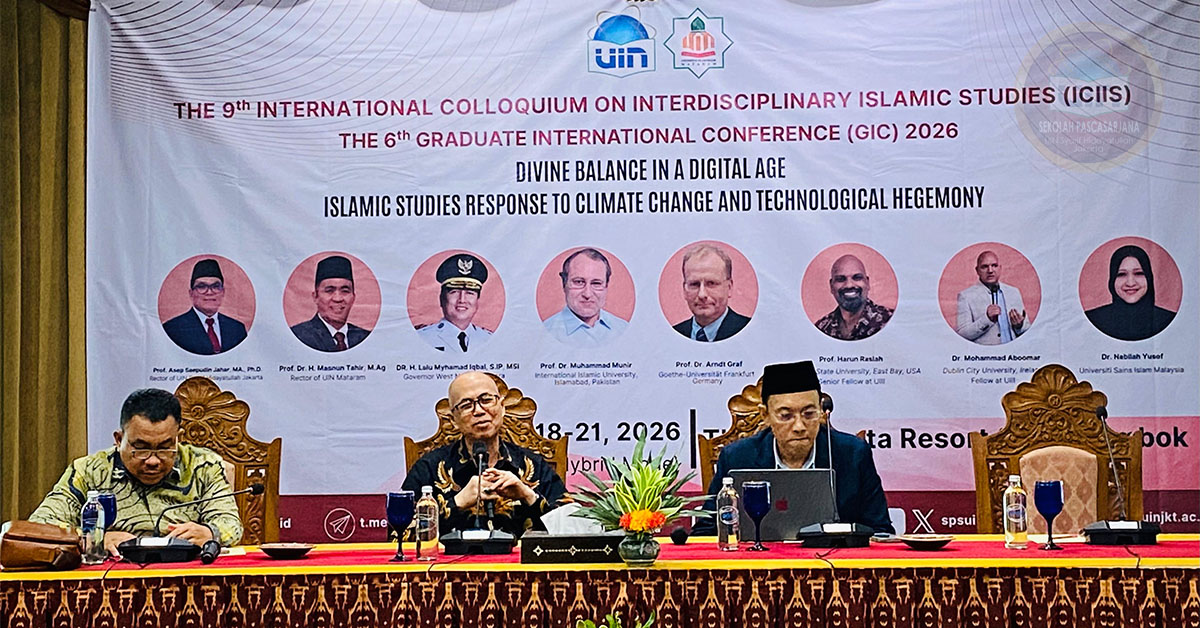
No less stunning, the second speaker, Prof. Dr. Muhammad Munir from Pakistan International Islamic University, appeared to bring a perspective of justice. Prof. Munir raised important points about the urgency of solid collaboration among the Islamic world in order to build a solid educational paradigm.
According to Prof. Munir, the future Islamic civilization must be oriented towards social justice and environmental sustainability. Without justice and natural preservation, the latest technological advances will only give birth to new inequality that is detrimental to humanity.
Entering the second day, the event began with a comprehensive report from the Chairman of the 9th ICIIS Committee in 2026, Prof. Dr. JM. Muslimin, MA. In his report, Prof. JM Muslimin said that this international conference is a tangible manifestation of the academic commitment of Islamic universities.
This commitment is manifested in the form of strengthening scientific traditions that are interdisciplinary, collaborative, and responsive to all global dynamics. He mentioned that the theme "Divine Balance in a Digital Age" was chosen as a deep reflection on the increasing challenges of humanity due to the collision of technological disruption and complex environmental crises.
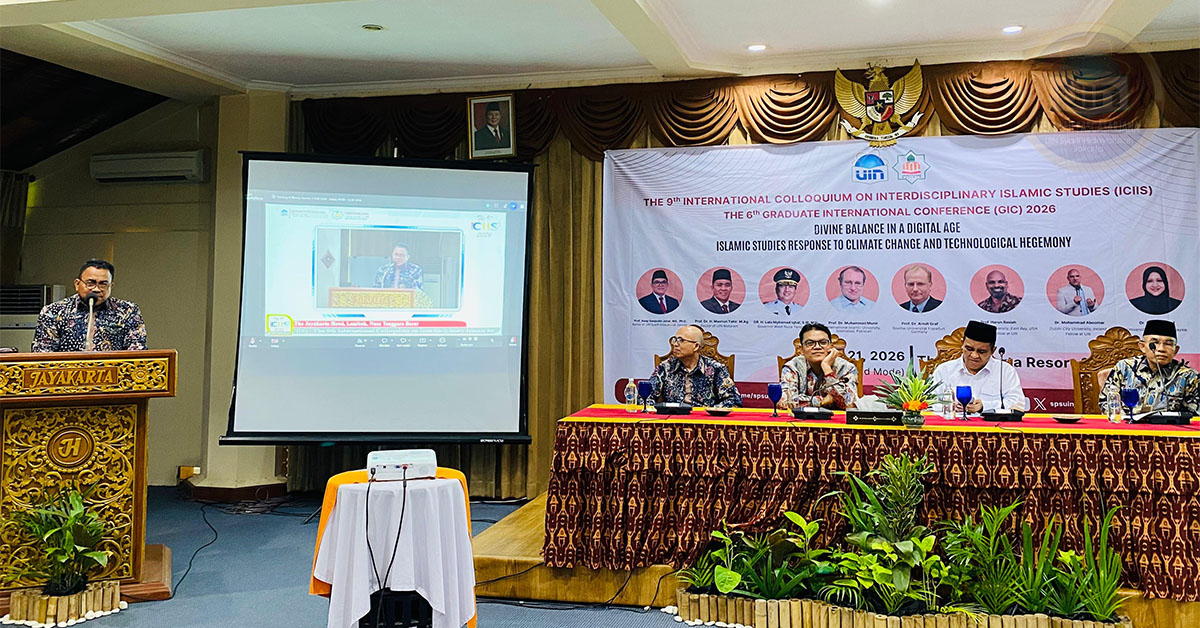
Prof. JM. Muslimin also added that this colloquium is a momentum to strengthen international academic networks. This forum is expected to trigger the birth of new, fresher interdisciplinary research. The collaboration that was established for the second time between UIN Jakarta and UIN Mataram also indicates a strong signal for a wider and more massive collaboration in the future.
"God willing, this collaboration will continue and grow, providing benefits to the wider community," said Prof. JM. Muslims with high optimism in front of the participants.
He then dissected the phenomenon of the development of digital technology and artificial intelligence (Artificial Intelligence) that has revolutionized various lines of life. Starting from the social sector, economy, education, to religious practices, everything has experienced an instant shift due to the touch of modern technology.
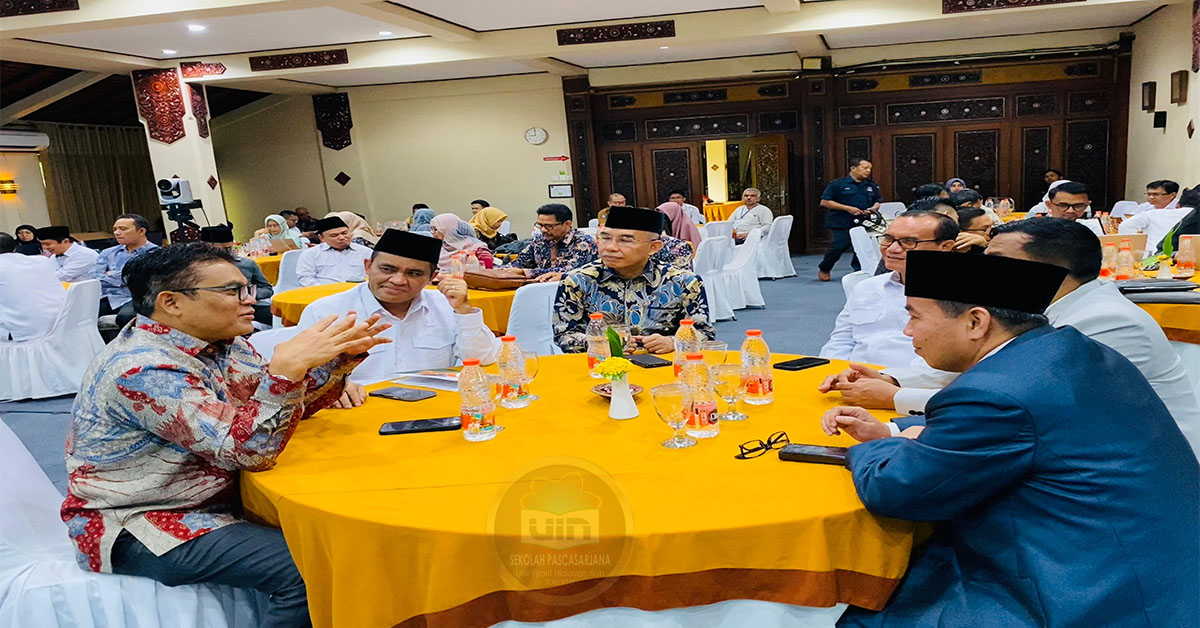
However, behind this convenience, Prof. JM. Muslimin reminded that there is a dark side in the form of the threat of dehumanization, widening social inequality, and ecological damage. The dominance of technology that is too hegemonic is feared to erode and even shift the most basic values of spirituality and humanity from within humans.
Therefore, Islamic studies is obliged to present as an intellectual force that offers an ethical, ecological, and humanistic paradigm. Great hopes are entrusted to the ICIIS and GIC 2026 forums in order to be able to produce concrete academic recommendations, collaborative research that is applicable, and scientific innovations that have a real impact on society.
"More than 175 presenters will present their scientific articles that are directly related to the issue of Climate Change and Technological Hegemony. We are also proud to have succeeded in presenting great speakers from various universities around the world, ranging from America, Germany, Ireland, Malaysia, to Pakistan," said the chairman of the committee.
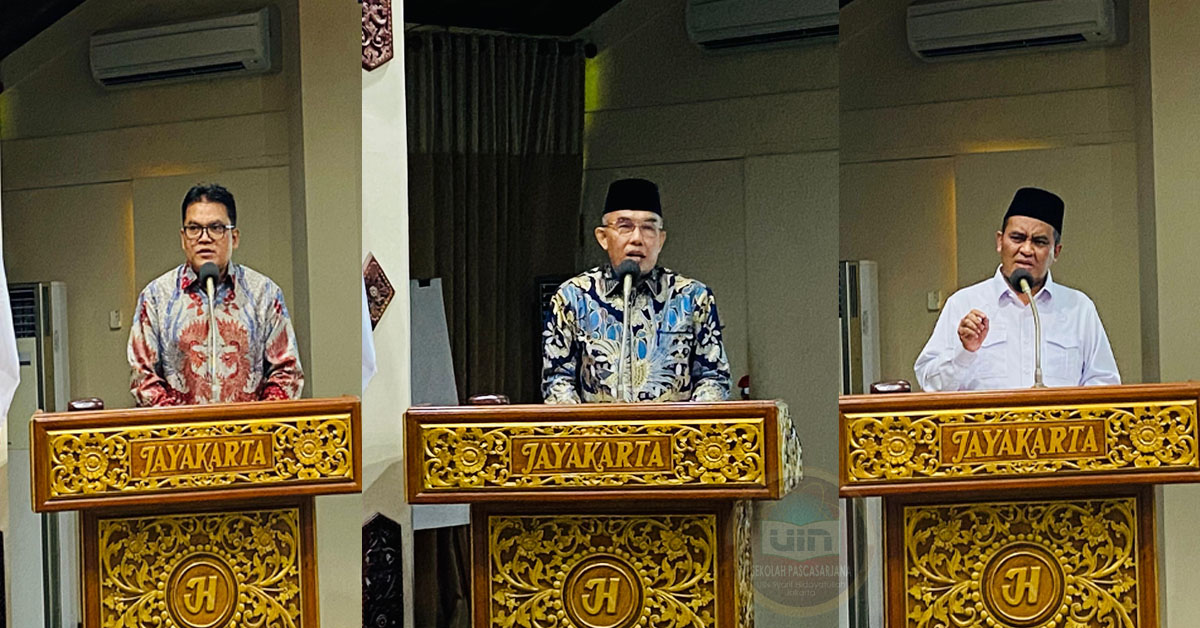
In line with that, the Rector of UIN Mataram, Prof. Dr. H. Masnun Tahir, M.Ag, also emphasized the importance of the real contribution of the academic world in responding to the changing times. He reminded that Islamic studies should not live in isolation inside ivory towers, but should be sensitive to ecological responsibility.
"Academic forums should not only be a place for writing or discussion. There must be real findings and innovations that are able to answer the challenges of the times concretely," said Prof. Masnun Tahir emphatically.
He added that the concept of divine balance should not be understood only theologically. This concept must be interpreted as the collective responsibility of humanity to maintain harmonious harmony between religious teachings, environmental sustainability, technological advancement, and human values.
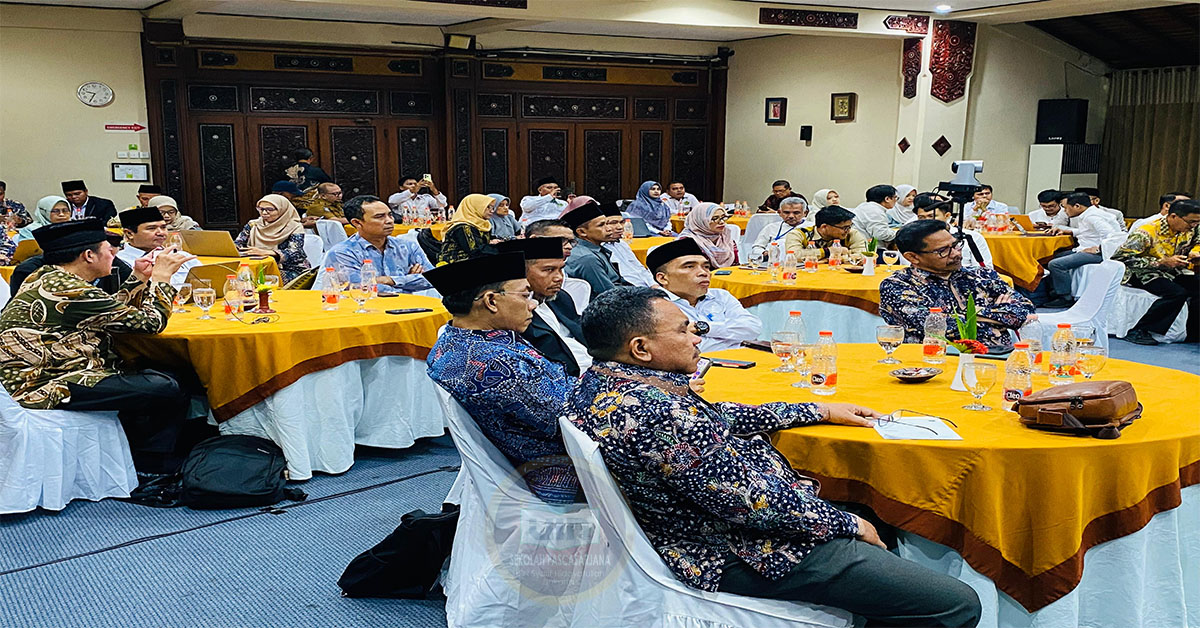
The atmosphere of the forum was even more weighty with the presence of the Deputy Mayor of Mataram, TGH. Mujiburrahman, SH, M.Pd, who acted as the keynote speaker. This figure who is familiar with the world of da'wah and public policy presented the main material that was in line with the big theme of the conference.
In his presentation, TGH. Mujiburrahman emphasized that the digital era has fundamentally changed the foundation of people's way of life. This change extends to the way modern humans understand the essence of religion, treat the environment, and build social relations between others.
However, he underlined that technological sophistication should not in the slightest fade the spiritual, ethical, and ecological responsibility dimensions. Humans must remain aware of their nature as a caliph on earth who carries out the mission of protecting, not destroying.
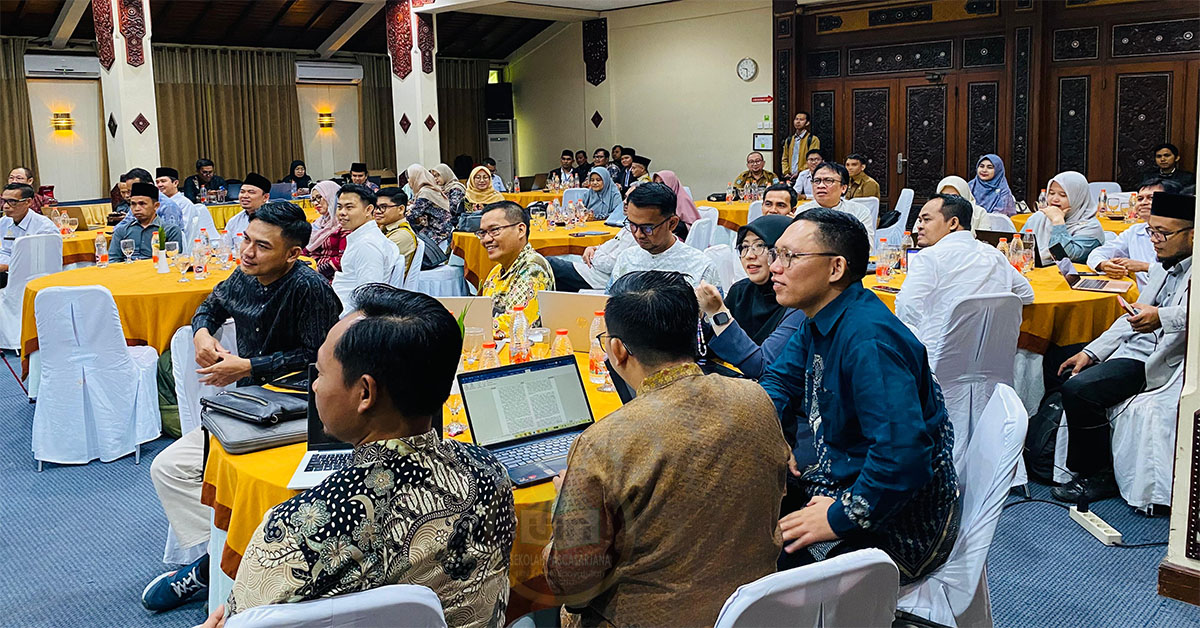
The Deputy Mayor of Mataram explained that climate change is a real threat that is multifaceted. The impact is no longer limited to extreme weather, but has hit the food security sector, weakened the community's economy, disrupted health, and potentially triggered social instability.
Seeing the seriousness of this impact, the religious approach is considered to have a very strategic position. Spiritual values can touch the niches of people's hearts to build collective awareness in maintaining the stability and balance of the surrounding nature.
TGH. Mujiburrahman also highlighted the grip of digital technology hegemony that increasingly controls the mindset, culture, and behavior of the modern generation. He appealed for the use of artificial intelligence and the flow of digital information to be directed wisely.
Technology should be used to strengthen human values, uphold social justice, ground religious moderation, and maintain environmental sustainability. This step is important so that technology does not backfire which actually widens moral crises and social inequality in society.
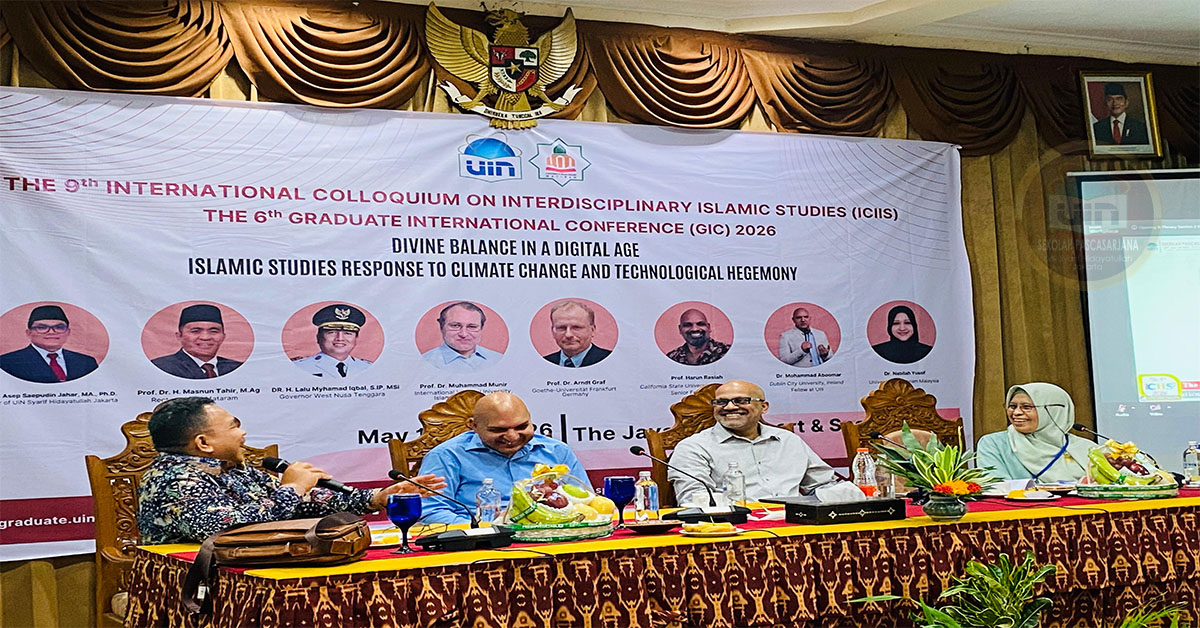
At the same momentum, the Rector of UIN Syarif Hidayatullah Jakarta, Prof. Asep Saepudin Jahar, MA, Ph.D, officially opened the 9th ICIIS and 6th GIC Joint Forum 2026. In his opening speech, Prof. Asep stated that the reinterpretation of the relationship between religion and science has become a very urgent need.
Religious people are currently faced with a series of strategic issues that demand a quick response, ranging from the pace of artificial intelligence, global health issues, the dynamics of the digital economy, to the environmental crisis. "This colloquium is expected not only to produce a pile of academic publications on paper, but to give birth to concrete solutions for the benefit of the wider community," said the Rector of UIN Jakarta.
This conference is increasingly lively with the contributions of ideas from the world's leading academic figures. Among them are Prof. Arun Rasiah who thoroughly discussed the strengthening of interdisciplinary Islamic studies in response to global social transformation, and Mohammad Aboomar who highlighted the severe challenges of Islamic ethics and spirituality in the midst of the onslaught of AI.
The discussion session was also enriched by Dr. Nabila who explained strategies to strengthen religious moderation and digital literacy in the midst of the flow of technological globalization. Meanwhile, the Director of Postgraduate Studies of UIN Mataram, Prof. Dr. H. Subhan Abdullah Acim, MA, participated in the thinking about the importance of integrating Islamic values, science, and technological innovation in the blueprint of future Islamic higher education.
The entire series of dynamic and energetic scientific discussions was guided alternately by two mainstay moderators, namely Prof. Arif Zamhari, M.Ag, Ph.D, and Prof. Dr. Nikmatullah, MA, who succeeded in bringing the dialectic of thought to life throughout the event.
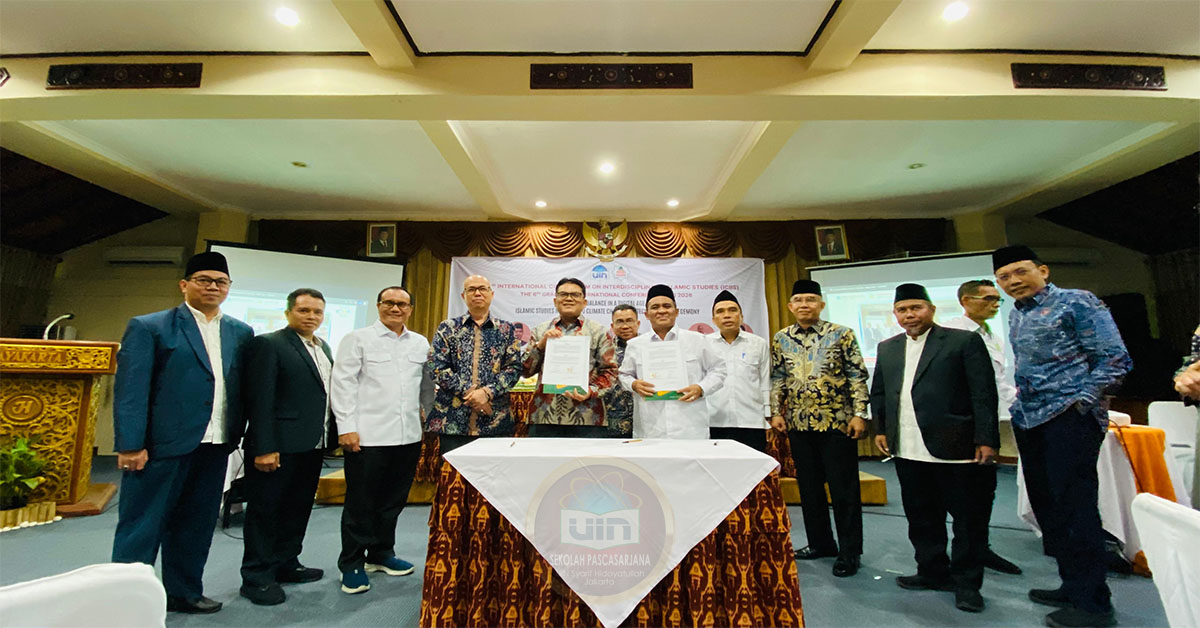
Not only is it a stage for a debate of ideas, this grand event also produces real legal cooperation. This was marked by the signing procession of the Memorandum of Agreement (MoA) between the Graduate School of UIN Syarif Hidayatullah Jakarta and the Postgraduate School of UIN Mataram.
The MoA agreement includes strategic points, such as strengthening collaborative research across institutions, lecturer-student exchange programs, and the development of international scientific publications. This synergy is expected to be the driving force for the advancement of religious postgraduate studies in Indonesia.
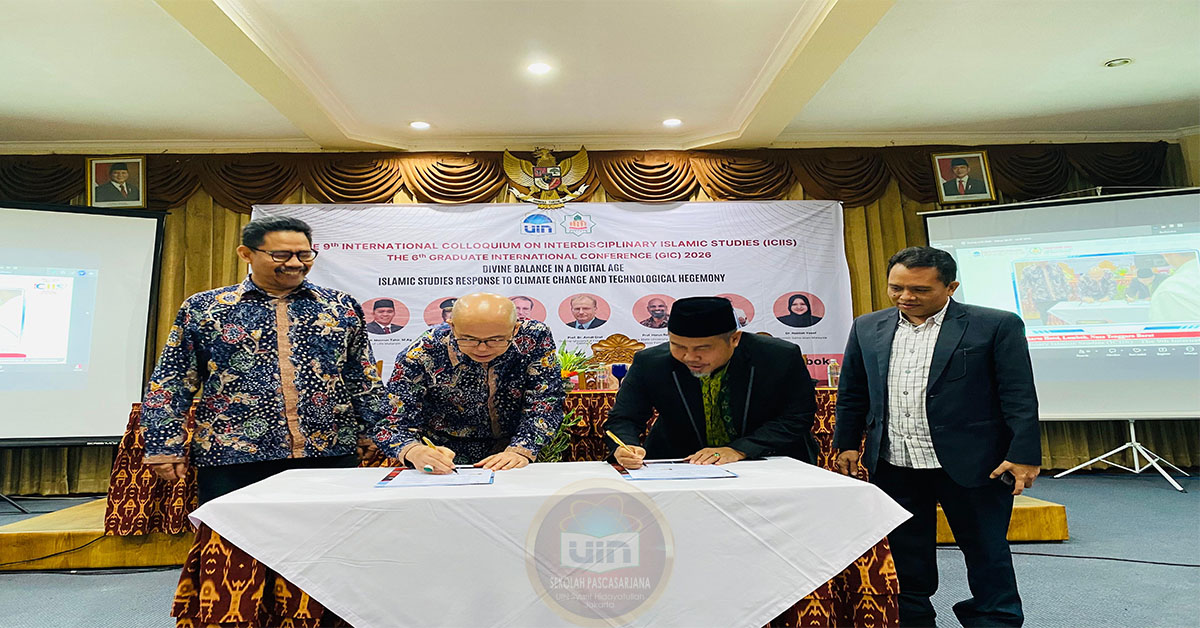
This strategic collaboration is projected to strengthen the network of Islamic universities in the country so that it grows into an innovative, collaborative, and adaptive institution to global issues. Through ICIIS and GIC 2026, Islamic studies are accelerated to move beyond normative texts towards transformative movements for a sustainable global civilization.
In the end, this international forum in Lombok succeeded in acting as a tactical meeting space for academics, researchers, lecturers, and postgraduate students from various parts of the world. With the completion of the discussion on the issue of social change, environmental crisis, and religious moderation, these two universities reaffirmed their commitment to continue to guard modern civilization through the lens of inclusive and globally oriented Islamic science. (JA)